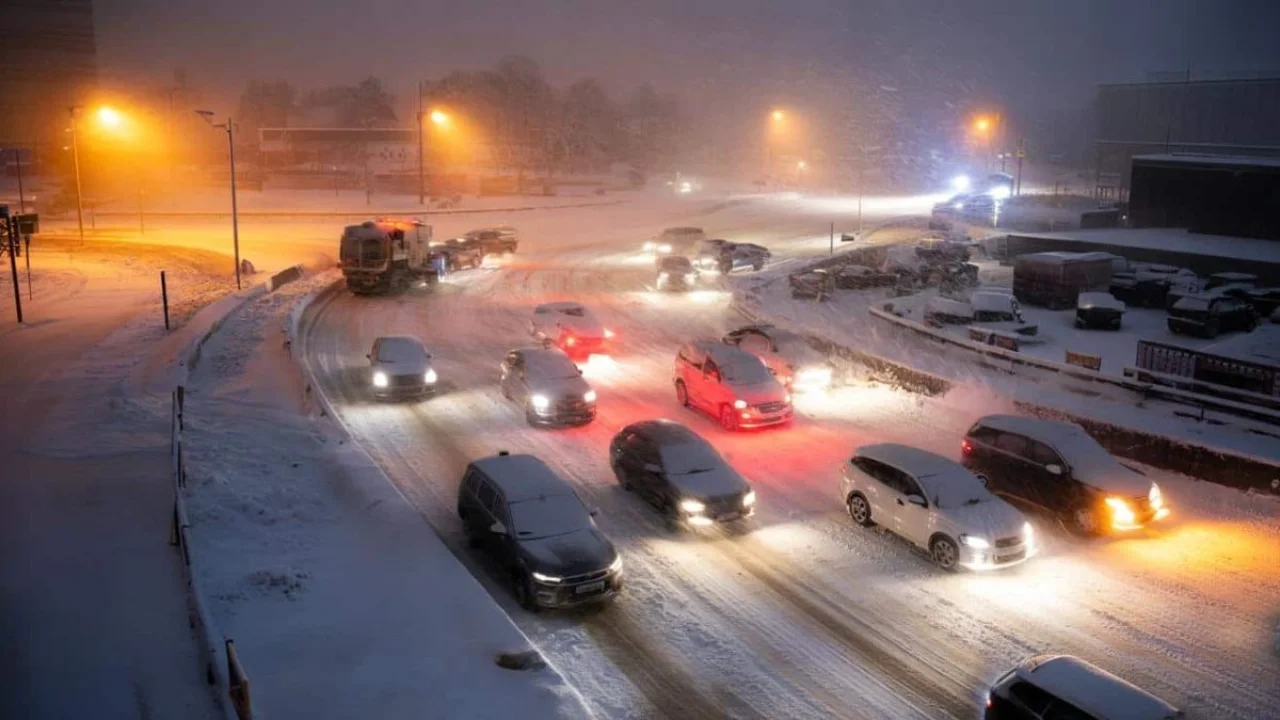
Winter Storm Warning: Winter Storm Warning alerts are lighting up phones, social media, and news feeds—and for good reason. This is not your typical snowstorm where you stay in, binge a series, and shovel the driveway the next day. The intensity of this system is different. From the howling wind to the fast-dropping temperatures and heavy snow, people across the northern Rockies and High Plains are facing a high-impact event that demands attention.
What makes this Winter Storm Warning so critical is not just the snow, but the dangerous combination of wind, whiteouts, and rapid accumulation. In this blog, we will break down what this storm means, how it is evolving, what areas are most at risk, and most importantly—how you can still prepare, even if time is running out.
Winter Storm Warning: What Sets This One Apart
A Winter Storm Warning usually grabs attention, but this time the alert is louder, and for good reason. This storm is stacking multiple hazards—gusts up to 70 miles per hour, wet snow piling up to three feet, and freezing conditions that could last for days. It is the kind of weather event where you do not wait and see. You act.
This is not just about snowfall totals. It is about what happens when strong wind meets heavy, wet snow. That is when tree limbs start crashing down, power lines snap, and travel grinds to a halt. Emergency agencies are already calling it life-threatening to be stranded. Roads like I-90 and I-25 may close without much notice, and snowplows might not be able to keep up. This storm is not just weather—it is a test of preparation, resilience, and how well we can support each other when systems start to fail.
Overview Table
| Key Element | Details |
| Wind Gusts | Expected to reach up to 70 miles per hour |
| Snow Accumulation | Forecasted up to 3 feet in higher elevations |
| Primary Regions Affected | Northern Rockies and High Plains |
| Timeline | Storm intensifying rapidly through January 21 to 22 |
| Road Closures | High chance on I-90, I-25, and various mountain routes |
| Power Outage Risk | High due to tree limbs and snow load on power lines |
| Whiteout Conditions | Likely during peak wind and snowfall rates |
| Emergency Services Impact | Delayed or limited due to dangerous conditions |
| Preparedness Time Remaining | Limited; storm already affecting some areas |
| Key Safety Advice | Stay indoors, avoid all travel, check on neighbors |
When a winter storm stops being “normal”
Most people have experienced snow before, but this storm is different right from the alert notification. The language used by meteorologists is more serious, and the forecast maps are covered in deep red and purple. Instead of talking about slippery roads, they are using phrases like “high-impact storm” and “blizzard conditions.”
In parts of the northern Rockies, folks woke up to warnings that shifted overnight from watches to Winter Storm Warnings, a sign that conditions are worsening faster than expected. Truckers are scrambling to get ahead of highway shutdowns. Farmers are rushing to move livestock to safety. It is a race against time because the snow is already beginning to fall in some locations.
What turns a big snowstorm into something dangerous is how many risks pile on at once. Wind on its own is manageable. Snow on its own, even in large amounts, can be dealt with. But when you mix three feet of wet, heavy snow with 70 mile-per-hour gusts, that is when roofs get tested, trees start breaking, and the power grid begins to fail.
How to get ready in the few hours you still have
There is no perfect checklist that works for everyone, but there are a few things that matter most right now: light, heat, communication, food, and water. Start by charging every device you have. Find your flashlights, check for batteries, and place them where they are easy to reach. If your home relies on a well, fill the bathtub or big containers with water in case the power goes out.
Next, think through meals. Look at your pantry as if you are grocery shopping in your own house. Choose food that does not need to be cooked. Shelf-stable snacks, canned soup, peanut butter, and bread are all great options. You do not need a survival kit. You just need to be able to stay safe and fed for a few days.
A lot of people hesitate and think it is already too late to prepare. But even 20 minutes of focused action can make a huge difference. Get medications together, make sure blankets are easy to grab, and check on neighbors, especially anyone elderly or living alone. Being ready does not have to be perfect—it just has to be smart.
Living through the storm, one gust at a time
Once the snow is coming down hard and the wind is rattling your windows, it is too late to run errands. Your world shrinks to the space you are in and how well you prepared it. Outside, trees bend in the wind, cars disappear under drifts, and the streets are silent except for the roar of the storm.
Inside, it becomes about managing comfort, warmth, and staying calm. Light a candle safely if the power flickers. Add layers of clothes and blankets. Keep everyone in the warmest room of the house. If you lose power, remember to never use outdoor appliances like grills or generators indoors. Carbon monoxide is invisible but deadly.
During the worst of it, even emergency responders may not be able to help. The best thing you can do is stay inside and stay connected. Let friends or family know you are safe. If you can, keep a battery-powered radio on for updates. Time feels strange during these events, but riding it out is the safest option.
What this storm quietly reveals about us
Extreme weather shows how fragile our routines really are. That neighbor you barely wave to might become your first check-in if your power goes out. That couple across the street might need help digging out after the snow stops. These storms show us who we count on and how prepared we are.
For some, this event will become a family memory—playing board games by lantern light, or watching kids run into deep snow when it finally calms. For others, it will be exhausting and stressful. Both reactions are valid. What matters most is that we learn something from each experience, and try to be a little more ready the next time.
The truth is, these major Winter Storm Warnings are becoming more common. The systems we depend on—electricity, road access, heating—are only as strong as the people who maintain them. So whether you are facing this storm head-on or just watching from the edges, take it seriously. It is not just weather. It is a real challenge to how we live.
FAQs
What should I do if I lose power during a winter storm?
Stay in one room, dress in layers, and use safe heat sources like a vented fireplace or space heater. Never use grills or stoves indoors.
How much food and water should I have ready?
Aim for at least one gallon of water per person per day, and enough shelf-stable food for three days that does not require cooking.
Can I drive during a Winter Storm Warning?
It is highly discouraged. Visibility can drop to near zero and roads may close without notice. Stay off the roads until the warning is lifted.
How do I stay informed if my internet goes out?
Keep a battery-powered radio or a backup charged device with emergency alerts turned on.
Why are 70 mph winds so dangerous during snowstorms?
High winds can knock down power lines, create whiteout conditions, and cause tree limbs to fall, adding more risk to already severe conditions.