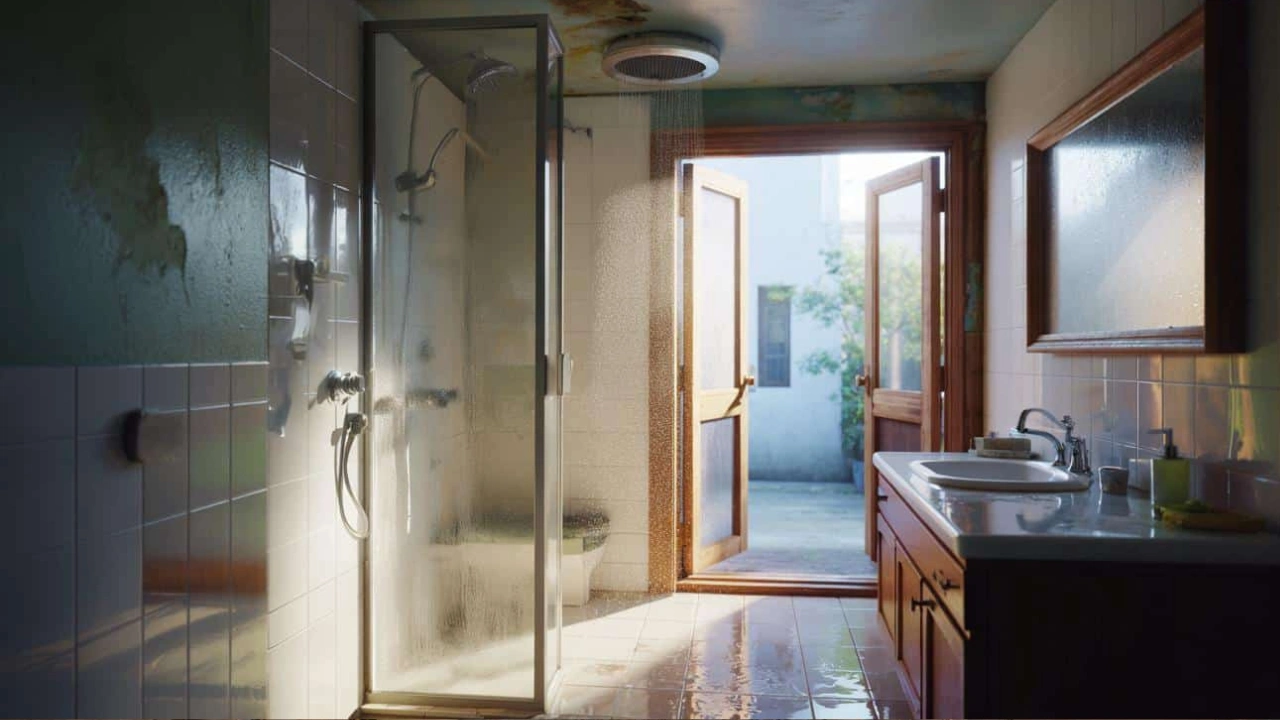
If you have been opening windows after showering thinking it helps get rid of the steam, you are not alone. It seems like a harmless habit, maybe even a helpful one. The glass is fogged up, walls are damp, and you want all that moisture gone. So, you crack open the window and let the fresh air in. Problem solved, right?
Actually, opening windows after showering might be doing more harm than good, especially if it is cold outside. This article breaks down why that daily routine may be setting up your bathroom for mould trouble and how extractor fans and other smarter methods can actually protect your space better. We will look at expert advice, practical tips, and what you really need to be doing after stepping out of the shower.
Why opening windows after showering could be making things worse
It may seem like a logical solution: a steamy bathroom needs ventilation, so you open a window. But what actually happens is that the cold air from outside collides with the warm, moist air inside the bathroom. This sudden mix causes water vapor to condense quickly on every surface — from your tiles to the ceiling.
This is exactly what mould loves. Damp walls, puddles around the sink, foggy mirrors, and wet corners become breeding grounds. Instead of drying the room out, you might be encouraging mould to grow faster. The moisture from your hot shower, combined with cold air and poor airflow, is a recipe for stubborn black spots that are hard to get rid of. Experts say the better option is using extractor fans and managing moisture in smarter ways.
Bathroom Moisture Overview Table
| Key Insight | Explanation |
| High humidity post-shower | Can reach up to 90% after a hot shower |
| Common reaction | People open windows to let steam out |
| Cold air meets warm steam | Creates quick condensation on surfaces |
| Ideal mould conditions | Damp walls, tiles, and mirrors stay wet |
| Ineffective airflow | Window drafts interfere with extractor fans |
| Better solution | Use extractor fan before, during, and after shower |
| Surface care needed | Wipe tiles, mirrors, and glass after use |
| Use of heat | Warm floors prevent condensation on tiles |
| Moisture absorbers | Help control humidity in small or windowless bathrooms |
| Risk of mould | Can begin forming in 24 to 48 hours |
Why Condensation Increases Mould Risk
Every time you take a hot shower, the steam fills up the room and clings to any cool surface it touches. That includes walls, glass, ceilings, and even paint. If the bathroom is small or not properly ventilated, this moisture has nowhere to go. Now, if you open a window right after, especially in colder months, the outside air rushes in and cools the room even more. This leads to faster condensation.
Within just one or two days, if the moisture stays put, mould can start appearing. Corners, grout lines, and behind your bathroom furniture are especially vulnerable. You may think you are airing the space out, but you are actually making it more humid in the worst way. Instead, focusing on proper airflow, controlled temperature, and removing moisture right away makes a bigger difference in preventing mould.
How Extractor Fans Help Better Than Windows
Extractor fans are built specifically to remove warm, humid air from bathrooms. When used correctly, they pull steam out and release it outside before it has a chance to settle. That means less moisture clinging to your surfaces and fewer chances for mould to form.
To get the best results, turn on the extractor fan before you start your shower and leave it running for at least 30 minutes after you are done. This gives it enough time to clear out lingering humidity. Many people also make the mistake of opening the window while the fan is on, but that actually weakens the air pull. If your fan is clean and working properly, it can do a much better job alone than a cold window ever could.
Expert Advice on Post-Shower Habits
According to specialists, many homeowners unknowingly make the problem worse by doing what seems logical. They open the window thinking they are letting the steam out, but the sudden draft of cold air mixes poorly with the warm moisture. Instead of escaping, it settles onto surfaces, making it harder for extractor fans to work efficiently.
Experts suggest turning on your extractor fan first, closing the bathroom door during your shower, and leaving the fan running afterward. Also, take a minute to wipe down wet surfaces like tiles, mirrors, glass doors, and counters. Use a microfiber cloth or a squeegee to remove as much moisture as possible before it dries naturally. These small changes can make a huge difference in keeping your bathroom clean and mould-free.
Smart Tips to Reduce Bathroom Moisture
- Apply shaving foam to mirrors: It may sound strange, but spreading shaving foam on your mirror and wiping it clean can prevent it from fogging up for weeks. It forms a thin layer that stops moisture from settling.
- Install underfloor heating: Cold floors are one of the first places condensation forms. When warm air hits cold tiles, water droplets appear. Heating your floor keeps it above the dew point, reducing moisture build-up and keeping surfaces dry.
Do Not Forget to Clean Surfaces
After your shower, take an extra minute to dry everything down. This simple habit removes lingering water before it turns into a problem. Use a towel, squeegee, or cloth to wipe mirrors, tiles, shower screens, and windows. Do not overlook corners or grout lines — those tight spots are where mould usually starts.
If you stay consistent with this, you reduce the time moisture stays in contact with any surface. It is not just about the big fixes like fans and heating. These small daily actions make a big difference in stopping mould before it starts.
Add Moisture Absorbers for Extra Protection
If your bathroom is small or has no windows at all, moisture absorbers can really help. These products, like silica gel or desiccant pots, soak up humidity from the air and keep the space drier between uses. They are especially useful in rental homes or bathrooms where you cannot install more advanced ventilation. Just place them on shelves or in corners where moisture tends to build up.
They do not require electricity and are easy to maintain. Just remember to replace or recharge them when needed. While they are not a full solution, they support your extractor fan and daily habits to keep moisture under control.
FAQs
Is opening a bathroom window after a shower helpful or harmful?
It may feel helpful, but opening a window right after a shower, especially during cold weather, can cause more condensation and lead to mould growth.
When should I turn on the extractor fan?
Turn on the extractor fan before starting your shower and leave it running for at least 30 minutes after finishing to effectively remove moisture.
Can I use both the window and fan at the same time?
Using both at once can reduce the fan’s performance. It is better to keep the window closed and let the fan handle moisture removal alone.
How soon does mould start growing in bathrooms?
Mould can begin forming within 24 to 48 hours if moisture stays on surfaces without being cleaned or dried properly.
What are simple ways to reduce bathroom humidity?
Wipe down surfaces, use underfloor heating, turn on the extractor fan early, and place moisture absorbers in corners to manage humidity levels.