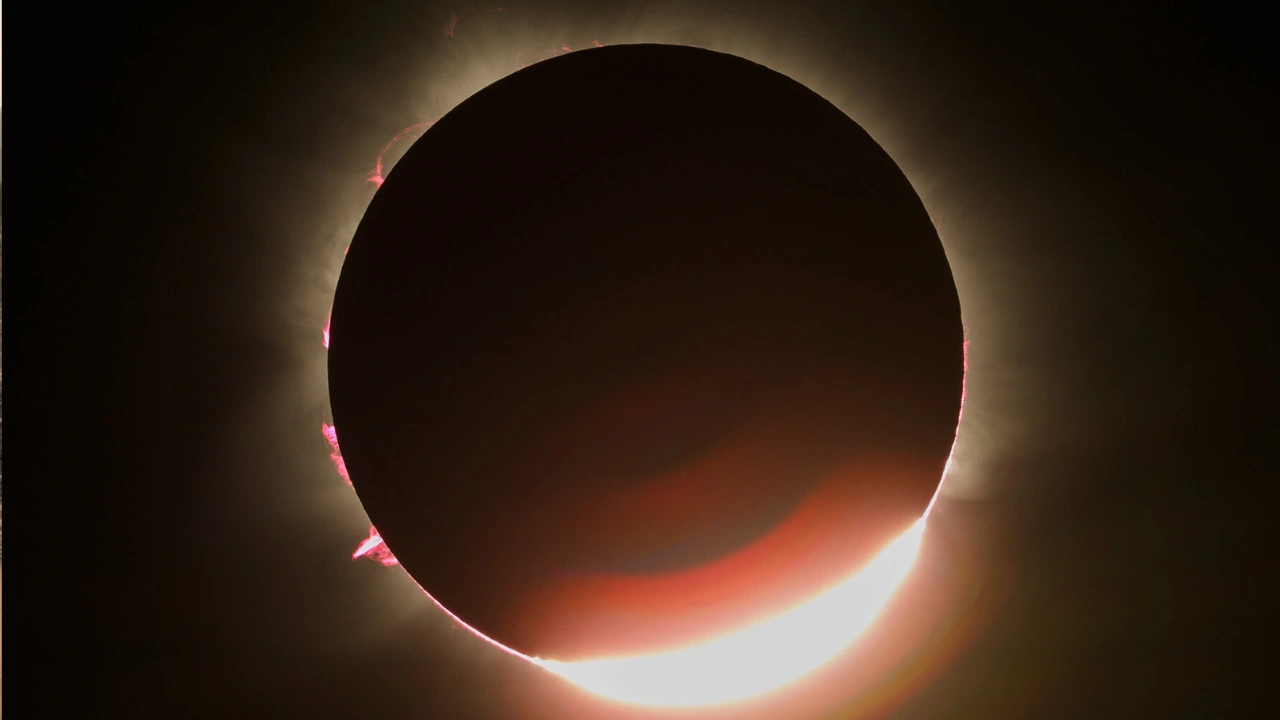
The eclipse of the century is not just a headline. It is a rare, jaw-dropping moment that will make millions stop and look up. Picture this: the world quiets, daylight fades, and for nearly six full minutes, the Sun disappears behind the Moon. This is not a typical solar eclipse. It is the longest total solar eclipse in decades, and it is already drawing attention from skywatchers, photographers, scientists, and travelers from across the globe.
If you have never seen a total eclipse before, this is your golden opportunity. The eclipse of the century will happen on August 2, 2027, and trust me, you do not want to miss it. In this article, we will dive into when and where it will happen, why it is so special, how to use sky maps to find the best viewing spots, and everything else you need to plan the perfect eclipse trip.
Eclipse of the Century: Date, Duration and Global Path
What makes the eclipse of the century truly unique is its incredible duration and the path it will take across some of the most iconic places on Earth. Unlike most solar eclipses that last only two or three minutes, this one will reach nearly six full minutes of total darkness in some locations. That is long enough to take it all in, to feel the temperature drop, and to watch how the world around you responds to the sudden twilight. The eclipse will travel across southern Spain, the Mediterranean Sea, North Africa, and into the Middle East. Luxor, Egypt, will be the standout destination, with the longest totality time and some of the clearest skies on Earth. This is not just an astronomical event. It is a global moment that will be talked about for decades.
Overview Table
| Key Detail | Information |
| Eclipse Name | Eclipse of the century |
| Date | August 2, 2027 |
| Total Darkness Duration | Up to six minutes in best viewing locations |
| Peak Totality Location | Luxor, Egypt |
| Countries in Path | Spain, Egypt, Saudi Arabia, Yemen, others |
| Starting Point | Eastern Atlantic Ocean |
| Apps to Use | Sky Map, Stellarium, Star Walk, timeanddate.com tools |
| Ideal Viewing Conditions | Clear skies, wide open landscapes, low humidity |
| Best City Locations | Cádiz, Málaga, Luxor, Mecca, Jeddah |
| Recommended Viewing Gear | Solar eclipse glasses, wide-angle camera, weather forecast tools |
When the ‘eclipse of the century’ will happen — and why six minutes matters
Mark your calendar for August 2, 2027, because that is when the longest total solar eclipse of this century will take place. What sets this eclipse apart is not just the path it covers, but the stunning amount of time it offers under totality. A full six minutes of darkness during the middle of the day is rare. It is long enough to truly observe the shift in light, the quiet in nature, and the reactions from people around you.
In cities like Luxor, you will feel the world pause. Unlike short eclipses that come and go quickly, this one offers time for reflection and wonder. It is enough time for cameras to adjust, for crowds to fall silent, and for a collective breath to be shared by thousands. Scientists, travelers, and eclipse hunters all agree: this will not be just another eclipse. It will be the eclipse of our generation.
The best places to watch, mapped — from beaches to ancient stones
If you are wondering where to go to catch the best view of the eclipse of the century, you are not alone. The path of totality touches down in some of the most scenic and culturally rich places on Earth. It begins in southern Spain where cities like Cádiz and Málaga will witness the first glimpse of the Moon’s shadow as it moves inland.
Next, the eclipse crosses over the Mediterranean and reaches North Africa. Here, the ancient city of Luxor becomes the most coveted spot for eclipse watchers. Imagine watching the Sun vanish while standing among temples built to honor it. That is an experience that will stick with you for a lifetime.
As the eclipse continues east, it passes over the deserts of Saudi Arabia and Yemen. Mecca and Jeddah will enjoy several minutes of totality, with vast, open skies offering ideal conditions for viewing. Whether you are on a beach, a desert dune, or a rooftop, the feeling will be the same: a sense of awe and connection to something bigger.
How to use sky maps and apps to grab the perfect spot
Planning where to stand under the eclipse starts with the right tools. Sky maps and astronomy apps are your best friends when it comes to finding the perfect viewing location. Apps like Sky Map, Stellarium, and Star Walk can show you exactly how the eclipse will appear from any spot on the map.
The trick is to aim for the centerline of the eclipse path. Even moving just 20 kilometers can add or subtract crucial seconds of totality. These tools help you visualize when the eclipse will start, how long it will last, and where the Sun will be in the sky. This kind of precision lets you plan around trees, buildings, and other obstacles.
Another tip: check long-term weather trends. August in Spain, Egypt, and Saudi Arabia usually brings clear skies, but local forecasts and cloud statistics from past years can help you choose the most reliable location. A little prep now can prevent eclipse disappointment later.
Why this eclipse will be talked about for decades
Events like this do not come around often. The eclipse of the century is already shaping vacations, school schedules, and even weddings. People are booking hotels years in advance, organizing road trips, and planning family reunions around this one afternoon in 2027.
The reason is simple. It is not just about science. It is about standing still with others, sharing silence, and feeling time slow down. People who have seen a total eclipse say it changes how you see the world. And with six full minutes of darkness, this one will hit even deeper.
This will be one of those rare, shared moments in history when millions look up and feel connected. Not to a screen or a concert, but to the sky itself.
FAQs
How often does a total solar eclipse like this occur?
Total solar eclipses happen every 18 months somewhere on Earth, but ones that last six minutes are incredibly rare. The next one this long will not happen for many decades.
Do I need to be exactly on the path of totality to see it?
Yes, if you want to experience full totality. Even being slightly outside the path can reduce the eclipse to a partial one, which is a very different experience.
Is it safe to watch the eclipse without glasses?
Only during the exact moment of totality. Before and after that, you must wear certified eclipse glasses to protect your eyes from serious damage.
What should I bring for eclipse viewing?
What should I bring for eclipse viewing?
Bring solar glasses, water, a wide-angle camera or phone with filters, sunscreen, and something to sit on. Also, pack patience and curiosity.
Can I rely on weather forecasts for that day?
Yes, but also check historical cloud cover trends. Some areas, like Egypt and Saudi Arabia, have clearer skies in August and are less likely to disappoint.