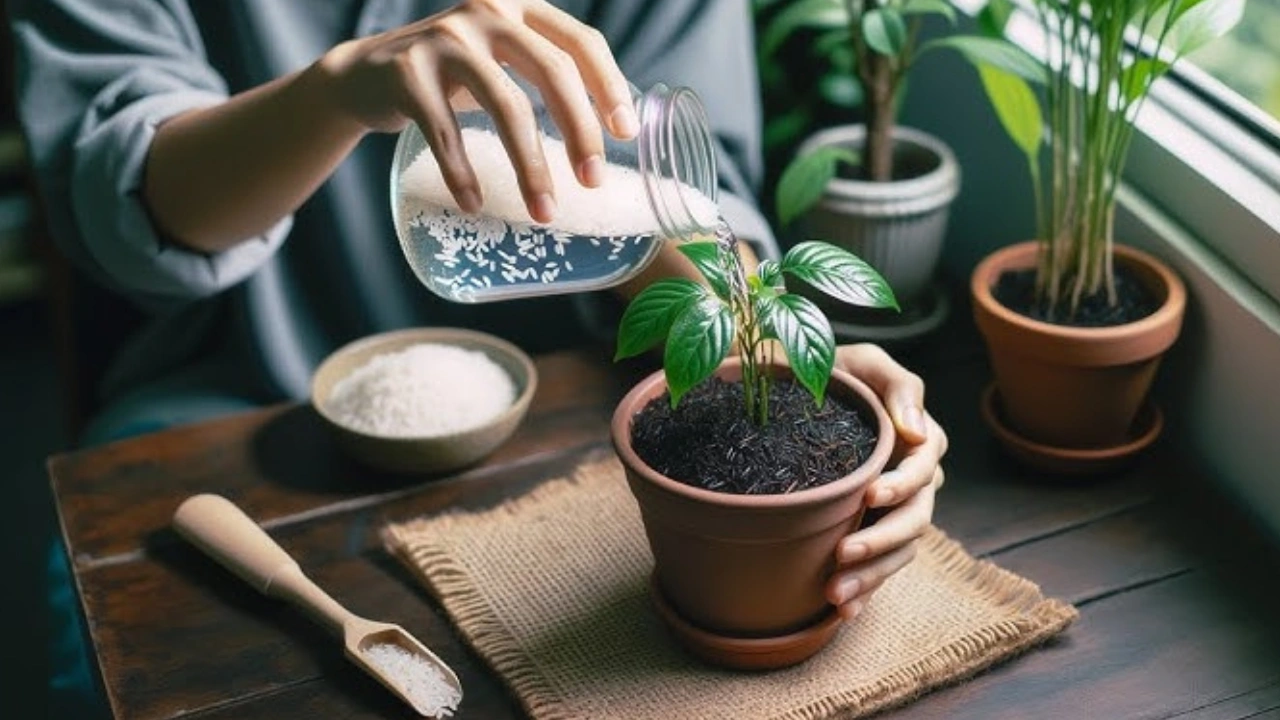
Rice water for plants might sound like a new gardening trend, but it is actually one of the oldest and simplest tricks for growing stronger, healthier plants. If you cook rice at home, chances are you are already creating this natural fertilizer every time you rinse or boil rice. Instead of pouring it down the sink, you can give your plants a free, nutrient-packed drink that encourages real growth. And the best part? It costs absolutely nothing and requires no extra effort.
Using rice water for plants is a smart way to reuse something you would normally waste. In this post, you will learn exactly how to make rice water, when and how to use it, and what kind of plants benefit the most. Whether you have houseplants, herbs, or outdoor vegetables, rice water can help them thrive without chemicals or expensive fertilizers.
How to Use Rice Water for Plants
Knowing how to apply rice water for plants can make a real difference in your garden. It is packed with beneficial nutrients like nitrogen, phosphorus, and potassium. These are key for healthy roots, fuller leaves, and overall plant strength. Rice water also contains starches that feed the soil microbes, creating a better environment for roots to grow. Whether you use rinsed, boiled, or fermented rice water, each method has its own benefits. Rinsed rice water is quick and mild. Boiled water is more concentrated. Fermented rice water is the strongest and most effective if used correctly. Using it once a month gives your plants a natural boost without any risk of overfeeding. It is gentle, sustainable, and perfect for beginners and expert gardeners alike.
Overview Table: Rice Water for Plants at a Glance
| Key Info | Details |
| Main Nutrients | Nitrogen, phosphorus, potassium |
| Natural Fertilizer Type | Homemade and organic |
| Best Plants to Use On | Houseplants, vegetables, herbs, leafy greens |
| Preparation Methods | Rinsed, boiled, fermented |
| Rinsed Water Strength | Mild and safe for frequent use |
| Boiled Water Strength | Medium strength, ideal for indoor plants |
| Fermented Water Strength | Strongest, should be diluted before use |
| Application Frequency | Once per month |
| Not Recommended For | Hydroponic or water-based growing systems |
| Common Benefits | Stronger roots, greener leaves, better soil health |
Why rice water helps plants grow
Rice water works like a natural fertilizer thanks to the mix of nutrients and organic compounds it contains. It is full of nitrogen, phosphorus, and potassium, which are essential for plant growth. These nutrients support the development of strong root systems and help plants grow lush leaves and, in the case of vegetables, higher yields. But it is not just the minerals that matter. The starch in rice water supports the growth of beneficial bacteria in the soil. These microbes break down nutrients in a way that makes them easier for plants to absorb. This makes the soil more active and fertile over time.
Another great reason to use rice water for plants is that it supports sustainability. Instead of wasting water and buying chemical fertilizers, you are recycling something you already have in your kitchen. And since it is natural, it is safer for pets, kids, and pollinators in your garden.
Three ways you can make rice water
There are three main ways to prepare rice water for plants, each with its own benefits. You can choose the one that fits your routine and the needs of your plants. All are easy to do and take little effort.
Fermented
Fermented rice water is the most powerful method. Start by placing a few tablespoons of cooked rice into a clean glass jar. Add distilled water, then cover the jar with cheesecloth to allow it to breathe. Leave it in a dark spot for one to two weeks. You will notice a sour smell and a cloudy appearance once it is ready. If you see black or brown mold, throw it out and start again. Once the fermentation is complete, strain the liquid and dilute it with clean water at a 1:2 ratio. This fermented rice water is packed with helpful bacteria and nutrients, but it is strong, so use it only once a month to avoid overwhelming your plants.
Boiled
Boiled rice water is another effective option and takes less time. Bring two cups of plain, unsalted water to a boil. Add half a cup of uncooked rice and let it cook until the water turns cloudy. After boiling, allow it to cool fully. Then strain out the rice and save the starchy water. This version contains more nutrients than rinsed water but is less intense than fermented rice water. Make sure it is at room temperature before watering your plants. Avoid using flavored or salted rice, as added ingredients can harm your plants. This method is quick and works well for houseplants and potted vegetables.
Rinsed
Rinsed rice water is the easiest and most convenient option, especially if you are already rinsing rice before cooking. Simply soak your rice in water using a three-to-one water-to-rice ratio. Stir the rice around for a few minutes until the water turns milky. Then strain it into a container. Shake well before using, as starch settles at the bottom. This type is the gentlest and safest option, perfect for smaller or sensitive plants. You can use it more often than the other methods, although monthly use is still recommended to avoid buildup.
Use sparingly to avoid problems
While rice water for plants is completely natural, too much of it can do more harm than good. Overuse can lead to mold growth, attract pests, or even cause soil to harden. The starch can also build up and block air from reaching plant roots. For best results, apply rice water only once a month, regardless of the method used. Stick to your regular watering schedule in between applications.
Also, avoid using rice water in hydroponic setups or systems where water is constantly circulating. The starch encourages bacteria growth, which can clog systems and damage roots in water-based environments. Always check your plants for any signs of stress after using rice water. If leaves turn yellow or the soil smells bad, hold off and let the soil dry out before watering again.
Most houseplants and vegetables benefit
Some plants respond especially well to rice water for plants. Popular houseplants like spider plants, orchids, ferns, and succulents often show greener leaves and more robust growth with monthly applications. Outdoor vegetables such as tomatoes, peppers, eggplants, and cabbage also benefit from the added nutrients and stronger root systems. Leafy greens like spinach and herbs like basil and parsley tend to grow faster and look fuller. Make sure to test rice water on a small area first before applying it to your entire garden, especially if you are using the fermented method.
FAQs
Can rice water be used on all types of plants?
It is safe for most soil-grown plants, including vegetables, flowers, and houseplants. Avoid using it in hydroponic systems.
How often should I water plants with rice water?
Limit use to once a month to avoid soil buildup and overfeeding issues.
Can I store rice water for later use?
Yes, keep rinsed or boiled rice water in the fridge for up to one week. Fermented rice water lasts longer but must be monitored for mold.
Does rice water help flowering plants?
Yes, it can improve root health and support better blooming when used correctly.
Is it safe to use rice water on indoor plants?
Absolutely, it works well for indoor plants like ferns, succulents, and spider plants if not overused.