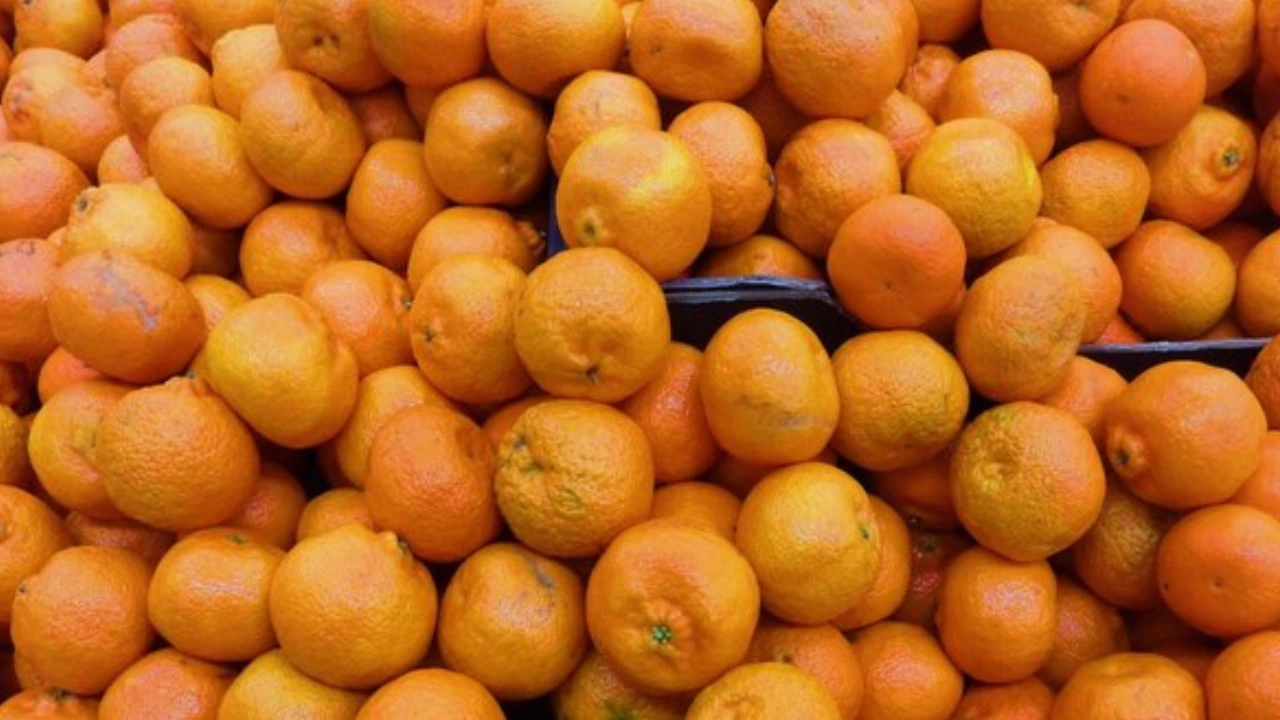
The Queen of the Cerrado fruit is quietly making waves far beyond the savannas of Brazil. Known for its rich taste and powerful nutritional profile, this fruit is becoming more than just food. It is becoming a key to survival and progress for communities living in one of the most ecologically rich, yet threatened, regions of South America.
But there is more to the Queen of the Cerrado fruit than meets the eye. This article explores why this remarkable superfood is gaining traction in global markets and how it is helping preserve ecosystems, empower women, and create new sources of sustainable income. If you are curious about how one local fruit can fuel an international movement for change, keep reading.
Queen of the Cerrado fruit: Nutrition, Culture, and Economic Power
There is a good reason the Queen of the Cerrado fruit has earned such a royal title. The fruit, also called the Baru nut, grows in Brazil’s Cerrado region, a biodiverse tropical savanna often overshadowed by the Amazon. Yet this landscape is home to thousands of unique species, and the Baru tree is one of its hidden gems. Rich in protein, fiber, antioxidants, and healthy fats, the Baru nut is considered a nutritional powerhouse.
But this fruit offers much more than a healthy snack. For many rural communities, it represents hope. Harvesting and selling the Queen of the Cerrado fruit brings in consistent income without harming the land. It does not require cutting down trees or using chemicals. Instead, it encourages the protection of native forests. In today’s world of fast-changing agriculture, that kind of balance is rare and valuable.
Overview Table: A Glance at the “Queen of the Cerrado” Story
| Topic | Details |
| Fruit Name | Baru (Dipteryx alata) |
| Common Name | Queen of the Cerrado fruit |
| Native Region | Brazilian Cerrado |
| Nutritional Value | High protein, fiber, antioxidants, healthy fats |
| Use in Food | Roasted nuts, oils, flours |
| Export Growth | Increasing demand in global health markets |
| Environmental Benefit | Encourages forest preservation |
| Social Impact | Supports women-led cooperatives |
| Threats to Region | Industrial agriculture and deforestation |
| Sustainable Alternative | Yes, compared to soy and cattle farming |
Why the “Queen” is a Lifeline for the Cerrado
The Cerrado may not be as famous as the Amazon, but it is one of the most biologically rich regions on Earth. Sadly, it is also disappearing fast. Large parts of the Cerrado are being cleared for industrial farming, especially for soybeans and cattle grazing. This deforestation is wiping out native species and drying up water sources.
The Queen of the Cerrado fruit offers a solution that works with nature, not against it. Instead of replacing forests, harvesting Baru nuts means keeping trees intact. Local families can earn income by collecting the nuts during their natural season. No heavy machinery, no destruction. Just traditional knowledge passed down for generations. In this way, the fruit becomes a symbol of resilience, supporting both people and the planet.
Women-Led Cooperatives Driving Change
One of the most inspiring developments tied to the Queen of the Cerrado fruit is the rise of women-led cooperatives. Across the Cerrado, women are organizing themselves into groups that gather, clean, process, and package the Baru nuts. These cooperatives allow women to earn their own money, contribute to family income, and build leadership roles in their communities.
For many women, this opportunity brings freedom they never had before. It allows them to send their children to school, improve their homes, and gain respect within their families. The work is hard, especially during harvest seasons, but it is rewarding. As international demand for the Baru nut grows, so does the impact of these women. Their success shows how small, local efforts can create big, lasting change.
Sustainable Farming vs. Industrial Agriculture
Brazil’s agricultural expansion has brought global attention, but not always for the right reasons. While soy and cattle bring in big profits, they often come at the cost of forest destruction and water loss. These methods are not sustainable, and many experts now say that they are reaching a dangerous tipping point.
The Queen of the Cerrado fruit tells a different story. It proves that you can feed markets and protect nature at the same time. With minimal environmental impact, the Baru nut can be harvested year after year. It is a slower process compared to mass farming, but one that respects the land and future generations. If Brazil wants to lead the way in green agriculture, the Cerrado’s native crops are a smart place to start.
Comparison with Other Cerrado Superfruits
- Pequi: A traditional ingredient in Brazilian dishes, Pequi is known for its strong flavor and cultural importance. It is widely used in local recipes but is not yet well known outside the country.
- Buriti: This orange fruit is packed with vitamin A and is mostly used in skincare and natural cosmetics. While valuable in beauty markets, it has less reach in the food industry.
Among all of them, the Queen of the Cerrado fruit stands out for its wide benefits. It offers global appeal, high nutrition, and a path to sustainability that the others have not yet matched. That is why it is earning global recognition and support.
Challenges Ahead for the Cerrado
Despite its potential, the Queen of the Cerrado fruit faces serious challenges. Deforestation is still happening at a rapid pace, with more land cleared every year. Even though Baru nuts grow on protected trees, the land around them is shrinking. If the forest disappears, the trees go with it, and so does the fruit.
Government support, private investment, and consumer awareness are all key to protecting the Cerrado. Buying responsibly sourced products, supporting cooperatives, and promoting local farming practices are steps everyone can take. The story of the Queen of the Cerrado fruit is not just about Brazil. It is a global reminder that small changes in our choices can lead to big changes for the planet.
FAQs
What is the Queen of the Cerrado fruit?
It refers to the Baru nut, a native fruit of Brazil’s Cerrado region known for its health benefits and economic value.
Why is the Queen of the Cerrado fruit considered sustainable?
Because harvesting it does not require cutting down trees. It promotes forest conservation and supports local communities.
How does this fruit support women?
Many cooperatives involved in collecting and processing Baru nuts are led by women, giving them financial power and leadership roles.
Where can you buy Baru nut products?
You can find them in health food stores, online marketplaces, and some organic sections of grocery stores.
Is the Cerrado being protected by the government?
Some areas have legal protection, but overall, the Cerrado still faces serious threats from agriculture and deforestation.