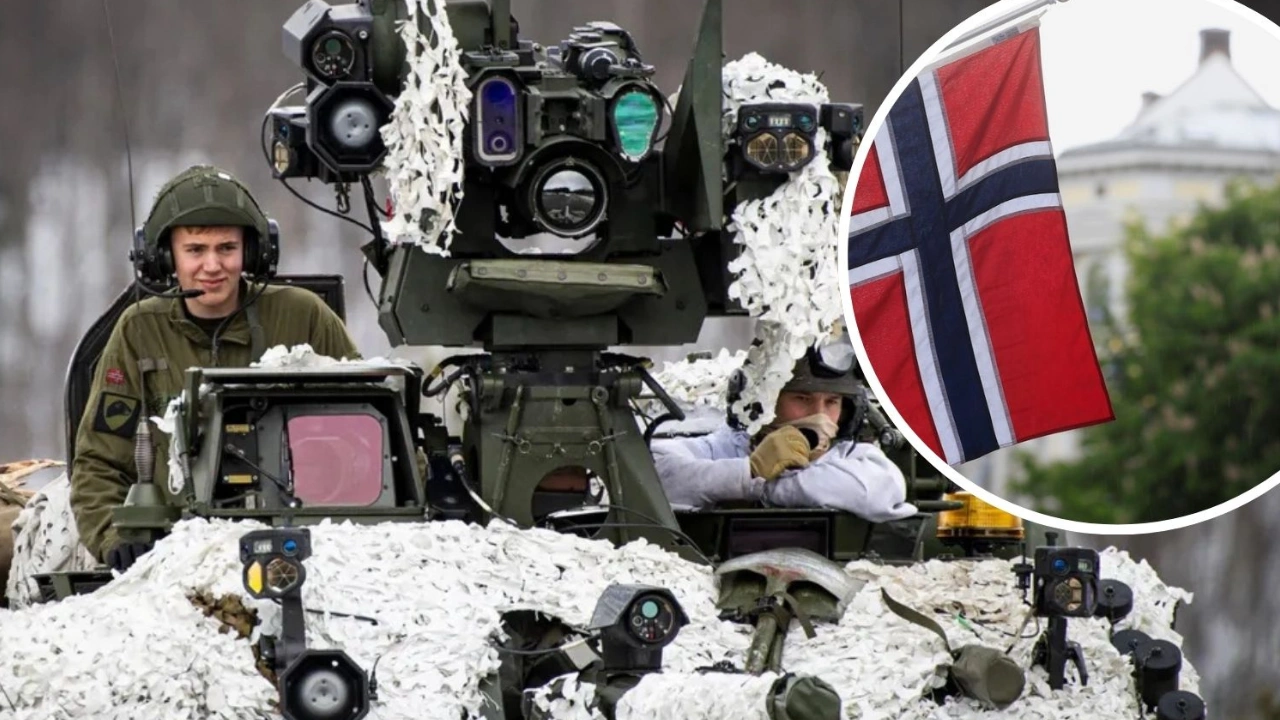
The Norway property requisition warning has caught the attention of thousands across the country. With letters set to land in mailboxes soon, property owners are being told that their assets could be taken over by the military in the event of war. This is not just limited to homes. Boats, vehicles, and heavy equipment are also part of this warning. It is an unexpected reminder of how national security concerns can reach into everyday life.
The second wave of the Norway property requisition warning for 2026 is about to roll out, and this time, it is even bigger. Around 13,500 notices will be issued, and the government wants citizens to understand that being prepared is no longer optional. In this article, we will break down what this warning means, why it is happening now, and how it ties into Norway’s broader security and defense strategy.
Norway property requisition warning: What it really means for citizens
If you receive a letter from the Norwegian military telling you your house, boat, or vehicle might be used in case of war, you are not alone. The Norway property requisition warning is part of a national preparedness system. While it does not mean your property will be taken tomorrow, it is a heads-up that the military could use it in the future if the country goes to war. This is all about readiness. No assets will be taken unless there is an actual wartime emergency or crisis situation.
This strategy helps the armed forces plan ahead. It gives them access to resources without delay if Norway ever faces conflict. And given the global security climate, that is not a far-off possibility. The warning letters do not have any effect in daily life right now, but they carry a clear message: defense is everyone’s responsibility.
Overview Table
| Key Detail | Description |
| Total Letters Issued for 2026 | Approximately 13,500 |
| Types of Property Included | Homes, private boats, personal vehicles, heavy machinery |
| Impact During Peacetime | Informational only; no legal enforcement |
| Duration of Each Requisition Notice | Valid for one year |
| Renewals from Previous Years | About two-thirds of notices are renewals |
| Legal Status of Notice | No action unless war or crisis is declared |
| Strategic Purpose | To ensure military access to needed resources |
| Reason for Increase in Notices | Rising geopolitical tension and security risks |
| Geographic Concern | Shared border with Russia in the Far North |
| Broader Government Strategy | Expansion of military and civil defense systems |
The letters have no practical impact in peacetime
If you are wondering what these letters actually do, here is the short answer: nothing, for now. The military has made it clear that these notices are not orders. They are simply advance warnings. Your property is not being taken. No military personnel will show up at your door tomorrow. The Norway property requisition warning is more of a notification than a demand.
However, the message behind it is serious. Norway wants every citizen to be aware of how national defense could affect them personally. These warnings are not new, either. In fact, the majority of the letters going out in 2026 are simply renewals. The government is not starting from scratch. It is updating its database and making sure all records are current and ready if needed.
Thousands of Norwegians are expected to receive letters
The scale of this effort is massive. Around 13,500 individuals are receiving these notices in the coming year. This is not a small segment of the population. The letters are being sent out based on asset value, availability, and strategic use. That means people who own certain kinds of property are more likely to be contacted.
And while the Norway property requisition warning may sound like something from history books, it is actually part of a modern strategy. Norway is adapting to the realities of today’s security climate. Military planners do not just need soldiers. They need transportation, shelter, equipment, and logistics. All of that requires resources that the civilian population already has.
The requisitions are intended to ensure that, in a wartime situation, the armed forces have access to the resources necessary for the defence of the country
The core goal behind these requisitions is to make sure Norway can defend itself quickly and effectively. During war, time is everything. If the military has to spend precious hours or days looking for boats, trucks, or buildings, that could be a huge problem. The Norway property requisition warning is designed to remove that delay. By identifying and tagging resources now, the government can move fast if a crisis hits.
This is not unique to Norway. Many countries have similar plans, especially those close to areas of conflict. What makes Norway different is its focus on transparency. Instead of keeping these plans hidden, the government is actively informing citizens and giving them a chance to understand what is happening and why.
The letters have no practical impact in peacetime other than to let owners know that the military may take over their goods in the event of a conflict
Let us be clear again: if you get one of these letters, nothing changes for you right now. You are not required to move, make changes, or give up access to your property. The Norway property requisition warning is purely informational during peace. But it is important to read and understand what it means.
The notice simply tells you that your assets are being considered for use in the event of war. Think of it as being part of a backup plan. You are not being drafted. Your property is not being seized. You are being informed ahead of time, which is Norway’s way of respecting citizens’ rights while planning for emergencies.
The importance of being prepared for crisis and war has increased dramatically in recent years
This rise in preparedness is not happening in isolation. Global conflicts have reminded nations that peace is never guaranteed. For Norway, the situation is even more urgent. It shares a long border with Russia, and that adds real weight to every military decision. That is why the Norway property requisition warning is being expanded and repeated.
Military experts in Norway, including Anders Jernberg, say this is the most serious security environment since World War II. That is not a statement made lightly. The government is investing in both military buildup and civil defense systems. And the more prepared the country is, the better it can respond if tensions escalate.
Norway is in the most serious security policy situation since World War II
The words may sound dramatic, but officials are not exaggerating. From cyber threats to traditional conflict risks, Norway’s security landscape is rapidly changing. The Norway property requisition warning is just one part of a broader defense strategy that includes new military partnerships, increased defense spending, and greater public involvement.
Every property that is tagged now could play a vital role later. From transport trucks to fishing boats, every asset counts. And with global uncertainty on the rise, countries like Norway are choosing to act now instead of reacting later. This approach is not about fear, but responsibility.
Norway, one of the founding members of NATO, has beefed up its defences in recent years
Norway’s role in NATO plays a big part in its defense planning. As a founding member, it holds a key position in Europe’s northern defenses. The country has already boosted its military capabilities in the last few years, and the Norway property requisition warning fits right into that picture.
The defense upgrades include new technology, increased troop presence, and strategic readiness across both land and sea. With its border with Russia and location in the Arctic, Norway is a frontline state in the current security environment. The government knows that readiness is not just about weapons. It is also about logistics, planning, and having access to the right resources at the right time.
FAQs
1. What does the Norway property requisition warning mean for homeowners?
It means that in case of war, your property may be used by the military, but it has no effect during peacetime.
2. Will my property be taken without my permission?
No. The warning only applies if there is a war or national crisis. You will be contacted officially if your property is needed.
3. How long is the notice valid?
Each requisition warning is valid for one year. Many notices are renewals from previous years.
4. What kind of property can be requisitioned?
Private homes, vehicles, boats, and large equipment are the most common types listed in the notices.
5. Is this something new in Norway?
No, this system has been in place for years, but it is expanding due to rising global security concerns.