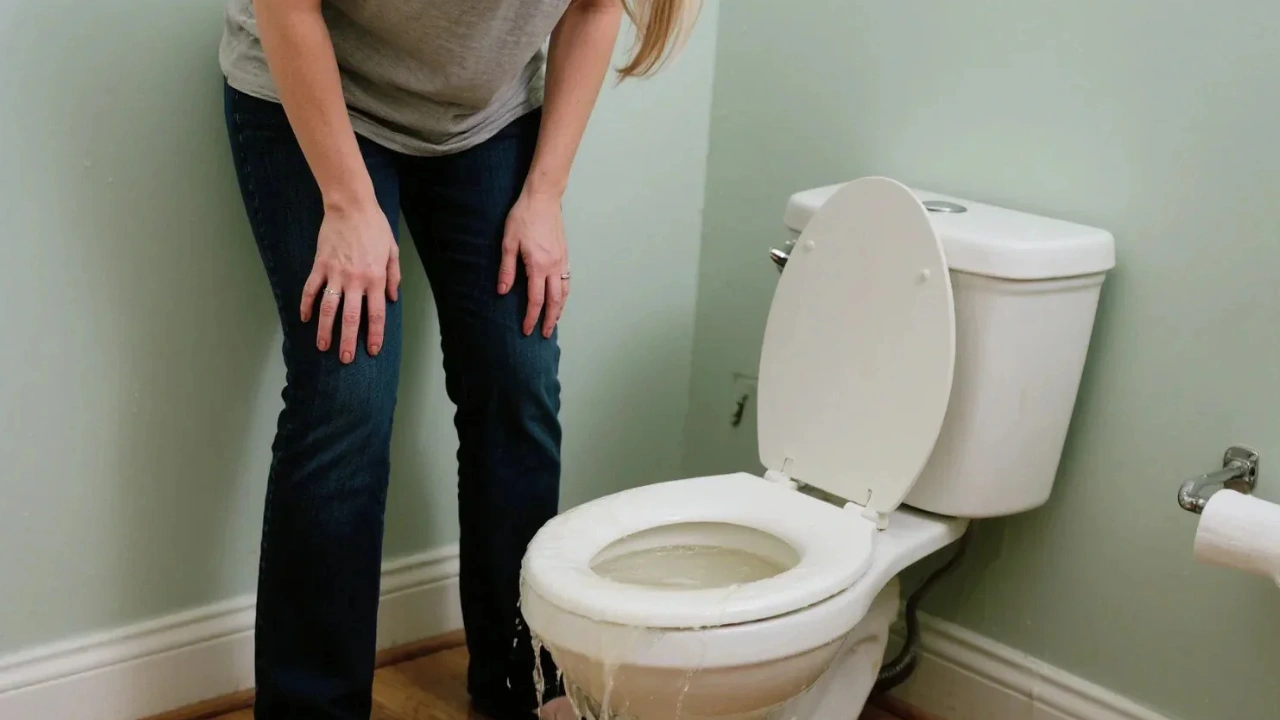
Pouring vinegar down the toilet might seem like a smart, natural way to clean and freshen up your bathroom. It is cheap, accessible, and eco-friendly, which makes it a go-to cleaner for many homeowners. But just because it is natural does not always mean it is the right solution. The truth is, this simple habit could be doing more harm than good in the long run.
In this article, we are diving into the truth about using vinegar down the toilet. We will look at what it really does to your pipes, when it is useful, when it is not, and why being cautious could save you from future plumbing trouble. You will also find better ways to maintain your toilet and drain system without damaging your pipes or wasting time.
Vinegar Down the Toilet
Using vinegar down the toilet may work for certain cleaning tasks, but it is not the fix-all solution some think it is. Yes, vinegar has acetic acid, which helps break down grime, soap scum, and minor mineral buildup. It can even help control odors for a short time. But toilets are connected to larger and more complex plumbing systems, and vinegar simply does not have the power to solve deep clogs, stubborn blockages, or old pipe corrosion. Pouring it regularly into your toilet without knowing what is really going on inside those pipes might actually delay necessary repairs or hide bigger problems. In this guide, we will walk you through the real effects of using vinegar, how to do it safely, and when to avoid it completely.
Overview Table
| Aspect | Details |
| Main Ingredient in Vinegar | Acetic acid |
| Common Purpose | Light cleaning, mild odor removal |
| Safe for Pipes | In small amounts and infrequent use |
| Not Effective For | Deep clogs, sewer backups, major blockages |
| Best Used With | Baking soda for surface-level drain cleaning |
| Environmental Impact | Eco-friendly when used responsibly |
| Risk of Overuse | Can damage older pipes or metal plumbing |
| Alternative Options | Boiling water, enzyme cleaners, professional help |
| Good for Toilet Rings | Works as a mild toilet bowl cleaner |
| Recommended Frequency | No more than once a month for maintenance |
What Properties in Vinegar Make It Useful?
Vinegar has been a trusted natural cleaner for years because of its main component, acetic acid. This acid helps dissolve surface-level grime, soap scum, and even some mineral deposits. When used in moderation, it can give your toilet a quick refresh. The antibacterial properties of vinegar also help reduce foul smells coming from stagnant water or light buildup. Unlike chemical cleaners, vinegar breaks down safely into water and oxygen, making it a greener choice for homes that want to limit chemical use.
However, vinegar is not designed for the inner workings of your plumbing. It does not have the strength to cut through heavy grease, hard deposits deep in the pipes, or thick clogs in the drainage system. If your toilet problems go beyond basic surface cleaning, it is best to leave vinegar out of it and find a more effective method.
Understanding the Magic of Vinegar in Plumbing
There is a reason vinegar remains a household favorite. It offers several plumbing benefits—when used correctly:
- Breaking Down Mineral Deposits: If your faucet or showerhead seems clogged, vinegar can help dissolve hard water buildup. Remove the piece, soak it in vinegar, then rinse with boiling water.
- Natural Drain Cleaner: Combine vinegar with baking soda to help push out light clogs. This fizzy combo works best on surface-level buildup.
- Toilet Rings Remover: Pour vinegar directly into the toilet bowl and let it sit. Scrub after a few hours for better results.
- Odor Control in Drains: Flush vinegar through the drain or garbage disposal to fight off foul smells.
- Mild Pipe Maintenance: Running vinegar through waste pipes once a year can help reduce mild buildup but should not replace professional care.
Pipe Maintenance and Long-Term Impact
While vinegar is good for temporary maintenance, using it too often may backfire. Many old or metal pipes cannot handle frequent acidic exposure, even if it is mild. If used too much, the acid in vinegar can slowly wear down the inside of those pipes. The real issue is that vinegar only works on the top layer of buildup. It does not reach deep into the plumbing system, where major clogs often begin. If you rely on vinegar every week thinking it is keeping your pipes clean, you may be ignoring a problem that needs more serious attention.
Instead, aim to use vinegar just once a month, and always in combination with other safer methods like boiling water or mechanical cleaning tools. Also, never mix vinegar with bleach or any other cleaning agent, as this creates harmful fumes that can be dangerous in a small space like a bathroom.
When Vinegar Isn’t Enough
There are times when no matter how much vinegar you pour, the problem does not go away. That is a sign of a deeper issue. If your toilet keeps backing up or your drain stays slow even after multiple cleanings, it is time to get help.
- Chronic Blockages: These often point to sewer line issues or debris deep in the system.
- Low Water Pressure: This can be from buildup that vinegar will not reach or from leaks that need fixing.
- Water Quality Changes: If the water smells, tastes odd, or looks discolored, vinegar will not fix it.
- Installation Issues: Vinegar does not help if your toilet or pipes are not installed properly or have loose fittings.
- Old Pipe Systems: If your home has outdated plumbing, vinegar may actually speed up wear and tear instead of helping.
Preventing Plumbing Issues: What Role Does Vinegar Play?
Vinegar does have a place in keeping your plumbing healthy—if used smartly. Think of it as one tool in a larger toolbox. Use it occasionally for odor control, light cleaning, or mild buildup. Pair it with boiling water or baking soda for better results. But if you want long-term protection from clogs and costly repairs, you will need to combine vinegar use with regular inspections and good maintenance habits.
Keep fats, oils, and food waste out of your drains. Avoid flushing anything that does not belong in the toilet. These habits make a bigger difference than vinegar ever could.
Eco-friendly Plumbing with Vinegar
There is no denying that vinegar is better for the environment than most commercial cleaners. It is non-toxic, biodegradable, and safe to use in small amounts. When you use vinegar down the toilet instead of harsh chemicals, you reduce your home’s impact on the environment. It also means fewer toxic substances getting into your local water supply. For eco-conscious homeowners, this is a big win. Still, being eco-friendly is also about knowing when to choose smarter solutions. If vinegar is not working, there is no harm in seeking out a plumber who uses green methods and modern tools.
Knowing When to Call Professional Plumbers
You can only go so far with DIY tricks. There will be times when you need to call in a professional. Whether it is for recurring clogs, unusual smells, or changes in water pressure, a plumber has the tools and experience to get the job done right. Ignoring these signs and relying too much on vinegar can lead to bigger, more expensive repairs down the road.
Hiring a licensed plumber is not admitting defeat—it is making sure your plumbing stays healthy for years to come. Sometimes, the best way to save money and the environment is to let the experts handle it.
FAQs
Is it safe to pour vinegar down the toilet regularly?
It is safe in small amounts, but overuse can affect older pipes and is not recommended more than once a month.
Can vinegar fix a clogged toilet?
Vinegar can help with mild clogs when combined with baking soda, but it cannot clear deep or stubborn blockages.
Will vinegar damage my plumbing system?
Not usually, but frequent use or use in older metal pipes may lead to gradual corrosion over time.
Can I mix vinegar with other cleaners in the toilet?
No, never mix vinegar with bleach or other strong chemicals, as it can create toxic fumes.
Is vinegar a good long-term solution for plumbing maintenance?
It helps with minor issues but should not replace proper maintenance or professional inspections.