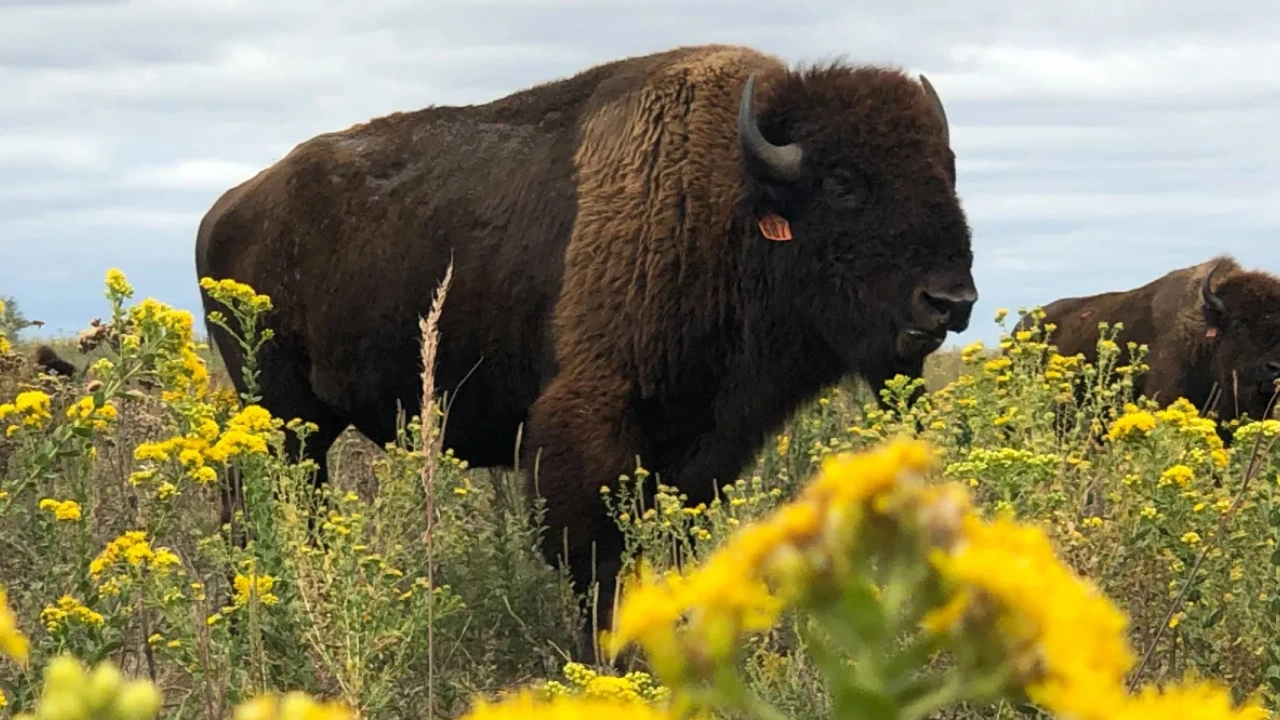
Bison reintroduction is not just a feel-good conservation story. It is a powerful ecological movement that is actively reshaping the prairies of North America. Over 50,000 bison have been brought back to their native habitats, and the changes on the land are both visible and measurable. These animals are doing what machines and modern agriculture could not — restoring balance to complex grassland ecosystems.
When it comes to reversing environmental damage and reviving native ecosystems, bison reintroduction has emerged as a proven solution. In this article, we will explore how these natural grazers are helping to rebuild soil structure, boost biodiversity, support native wildlife, and bring back traditional grazing patterns that the land has not seen in over a century. This is not just about animals — it is about restoring ecological health from the ground up.
The Ecological Impact of Bison Reintroduction
The bison reintroduction movement is transforming degraded prairies into thriving ecosystems once again. Unlike cattle, bison graze in constant motion, which prevents overgrazing and gives plants time to regrow. This natural grazing pattern helps maintain a diverse and resilient grassland environment. It also reduces the need for human intervention such as mowing or reseeding.
Their return is helping not just plants but entire food webs. Bison graze selectively and avoid eating down every patch of vegetation. This leads to a mix of short and tall grasses that support a wide range of insects and animals. They also roll in the dirt to create wallows, which become small basins that collect rainwater and provide microhabitats. These behaviors are helping to rebuild lost patterns of nature that have been missing for decades.
Overview of Bison Reintroduction Impacts
| Key Area | Description |
| Total Bison Reintroduced | Over 50,000 and growing |
| Plant Biodiversity | Increased by 86 to 103 percent due to rotational grazing |
| Soil Structure | Improved through hoof action and natural fertilization |
| Water Retention | Enhanced by wallows and compacted basins |
| Natural Grazing Patterns | Restored migratory behavior prevents overgrazing |
| Species Support | Habitat restored for insects, birds, and small mammals |
| Prairie Resilience | Greater resistance to drought and climate fluctuations |
| Waste Recycling | Bison dung supports beetle populations and enriches soil |
| Cultural Connection | Reviving Indigenous ties to land and traditional ecological practices |
| Rewilding Movement | Part of broader efforts to restore ecosystems and native species |
Biodiversity Boost Through Bison Grazing
One of the most noticeable effects of bison reintroduction is the explosion in plant diversity across restored prairies. Researchers have found that native plant species increase by over 80 percent in areas where bison are present. Their selective grazing style prevents one species from dominating and allows lesser-known grasses and flowers to thrive.
This increase in plant variety is more than just beautiful. It supports pollinators, small mammals, birds, and soil organisms that rely on diverse habitats. When prairies are dominated by a single grass due to overgrazing or farming, they become fragile. But when bison are managing the land, it becomes stable, adaptive, and full of life.
Soil and Habitat Engineering by Bison
Bison do not just live on the land; they shape it in powerful ways. Their hooves break up hard soil surfaces, helping seeds take root and water soak in. This physical disturbance is essential in preventing soil compaction, which often occurs on farmland or in overgrazed cattle pastures.
They also contribute with their waste. Bison dung is nutrient-rich and breaks down quickly, feeding the soil and attracting beneficial insects like dung beetles. This creates a cycle where the land gets healthier over time without needing artificial fertilizers. Their habit of wallowing in the dirt also creates low-lying areas that become seasonal wetlands, boosting moisture retention and seed germination.
Restoring Natural Grazing Cycles
One of the most important ecological roles of bison is their constant movement. Unlike cattle that are fenced into limited pastures, bison roam. This keeps the landscape from being overused in any one area. As they graze, trample, and move on, they leave behind a patchwork of plant heights and soil conditions, which is exactly how prairies evolved to function.
This dynamic, ever-changing use of the land leads to healthier plants, better water absorption, and more space for wildlife. It also means the land does not need to be artificially rotated or mowed, because bison are doing it naturally. Their return is restoring these cycles, making prairies more self-sustaining over time.
Supporting Prairie Species
With the bison come the bugs, birds, and other animals that once shared the land with them. For example, dung beetles rely entirely on bison waste to complete their life cycle. When bison disappeared, so did the beetles in many regions. Now, they are returning and playing their own role in recycling nutrients and keeping the soil healthy.
Birds like the Henslow’s sparrow, which nest in tall, mixed grasses, are also benefiting. Their populations have declined sharply in the past century, but the return of prairie ecosystems is giving them a second chance. This ripple effect of species recovery shows that bison reintroduction is not just about one animal but about reviving entire systems of life.
Cultural and Environmental Rewilding
There is also a deeper meaning to this ecological success story. For many Indigenous communities, bison are not just animals; they are part of their cultural identity. The loss of bison was a loss of tradition, food, and connection to the land. Today, tribal-led bison reintroduction projects are leading the way in restoring both the animals and the traditions that go with them.
These efforts are part of a larger rewilding movement that recognizes how deeply connected people and nature are. By returning bison to the land, we are not just fixing broken ecosystems. We are reviving cultural knowledge and traditional land management practices that kept the plains thriving for centuries.
Key Benefits of Bison Reintroduction
- Enhances plant diversity: More native plants take root and grow with natural grazing patterns
- Improves soil structure: Hoof action breaks up crusted soils, allowing better water absorption
- Supports wildlife: Birds, insects, and mammals benefit from the habitat bison help create
- Strengthens ecosystem resilience: Diverse and dynamic prairies can better handle drought and climate stress
- Rebuilds cultural ties: Indigenous communities regain connection to traditional lands and practices
FAQs
What is bison reintroduction?
It is the process of bringing bison back to their historical grassland habitats to help restore prairie ecosystems and improve biodiversity.
Why are bison better for prairies than cattle?
Bison graze in patterns that allow plants to recover, do not overgraze, and support a more balanced and healthy landscape.
How does bison reintroduction help soil health?
Their hooves break up compacted soil, and their waste adds natural nutrients, both of which improve soil quality over time.
Do bison affect other animals?
Yes, bison support many species such as dung beetles, nesting birds, and small mammals by creating diverse habitats.
Is bison reintroduction part of a larger movement?
Yes, it is connected to the rewilding movement, which aims to restore natural processes and cultural relationships with land.